

The psychology behind winning at the casino understanding the mind’s influence on luck
The Role of Luck in Gambling
Luck is often viewed as a significant factor in gambling, but its psychological implications run deeper than mere chance. Players frequently attribute their wins to luck, yet such beliefs can cloud their understanding of gambling strategies. Many are drawn to exceptional platforms, like payid online casino, where the thrill of fast banking complements a secure gaming environment.
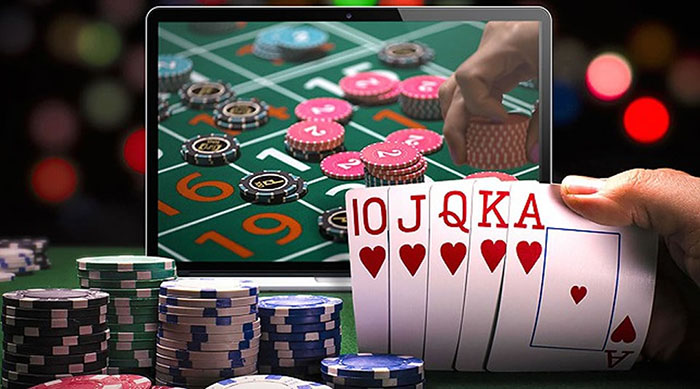
This belief can lead to the phenomenon known as the “gambler’s fallacy,” where individuals think that past events affect future outcomes. For example, a player might believe that a slot machine is “due” for a payout after a series of losses, which can drive them to continue playing longer than is financially wise. Understanding this mindset is crucial for recognizing the psychological traps that casinos exploit.
Cognitive Biases and Gambling
Cognitive biases play a significant role in how players perceive their gambling experiences. One such bias is the confirmation bias, where individuals focus on information that supports their existing beliefs about winning. For instance, a player may recall their few big wins but conveniently forget the numerous losses, reinforcing a false sense of success and encouraging further play.
This skewed perception can have serious implications for responsible gambling. Players may underestimate risks and overestimate their skills, leading to poor decision-making. Understanding these biases can help individuals develop a more realistic approach to gambling, ensuring they remain aware of both the potential for loss and the need for moderation.
The Emotional Triggers in Gambling
The thrill of gambling often elicits strong emotional responses, which can influence decision-making. Emotions such as excitement, anticipation, and even fear can affect how players engage with games. For many, the rush of winning can trigger a release of dopamine, reinforcing the behavior and leading to the desire to gamble more.
Conversely, losing can evoke negative emotions, leading to a cycle of chasing losses. This emotional rollercoaster can cloud judgment and provoke impulsive decisions, pushing players to gamble more aggressively. Recognizing these emotional triggers can empower individuals to approach gambling with a clearer mindset, promoting responsible habits.
Strategies for Responsible Gambling
To navigate the psychological aspects of gambling effectively, players must adopt strategies that prioritize responsible behavior. Setting limits on time and money spent can create boundaries that help mitigate the risks associated with emotional and cognitive biases. Players should also regularly assess their gambling habits, reflecting on their motivations and overall impact on their lives.
Additionally, seeking support from friends, family, or professional resources can provide valuable guidance. Engaging in discussions about gambling can foster an environment of accountability, helping individuals maintain a balanced perspective. Educating oneself about the odds, strategies, and psychological factors involved in gambling can further enhance the responsible gambling experience.

Explore More on Responsible Gambling
Our platform is dedicated to providing valuable insights into responsible gambling practices. We offer resources that educate players on the psychological influences of gambling, ensuring they make informed decisions. By understanding the mind’s role in luck and chance, players can enhance their experiences while minimizing risks.
Join us in exploring the intersection of psychology and gambling. Our commitment to promoting responsible gambling is reflected in our comprehensive guides and articles, designed to empower players and encourage a healthier approach to gaming. Experience a new level of awareness and enjoyment in your gambling journey today.
